“`html
The Power Lunch is Dead: Why It Was Always a Waste of CaloriesThe Death of the Power Lunch: Why the Corporate Mid-Day Feast Is Finally Over
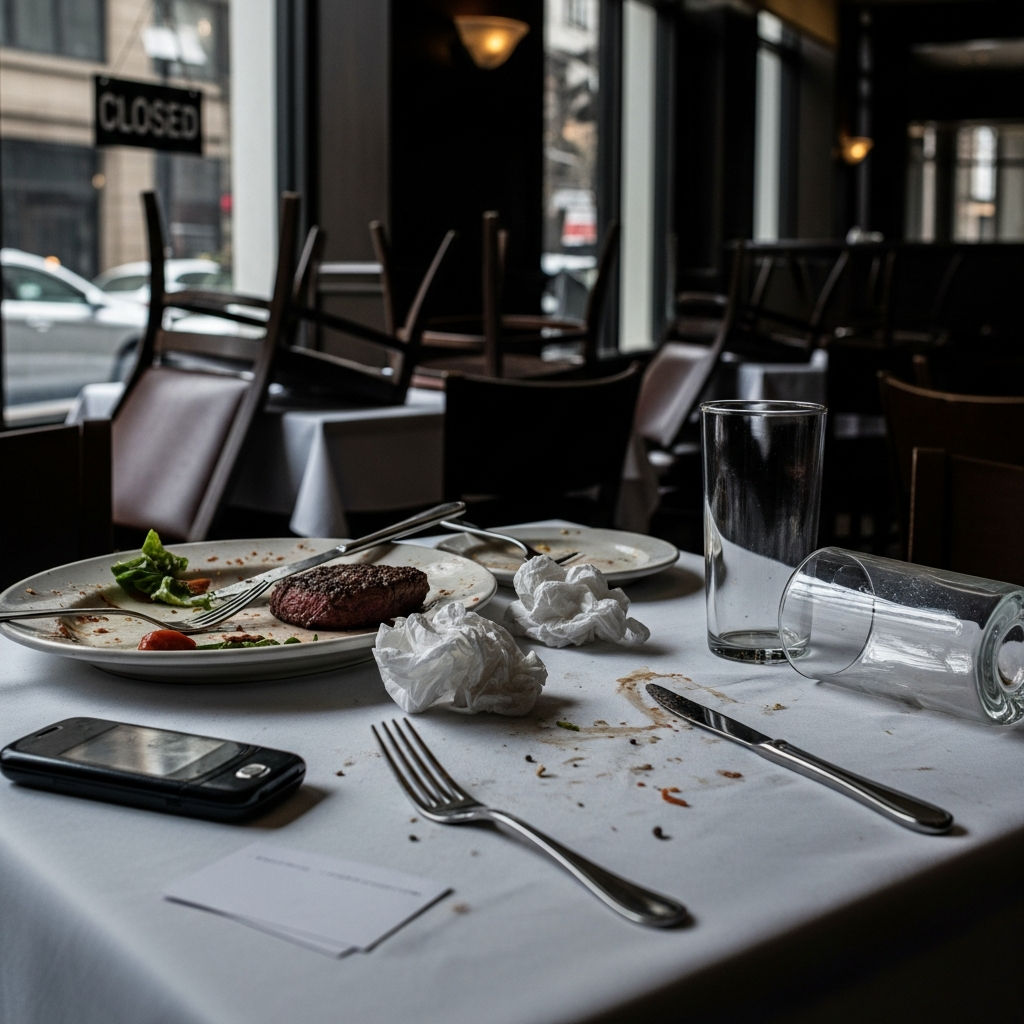
For decades, the “power lunch” was the ultimate symbol of professional status. In the wood-paneled steakhouses of Manhattan and the sun-drenched bistros of Los Angeles, deals were sealed over dry martinis, medium-rare ribeyes, and decadent desserts. It was a ritual of excess where the size of the bill was often seen as a direct reflection of the importance of the transaction.
However, in the modern professional landscape, the power lunch isn’t just fading—it’s effectively dead. What was once considered a vital networking tool is now viewed as an archaic, inefficient, and physically taxing relic of the past. Beyond the shifting office dynamics, we’ve finally come to terms with a hard truth: the power lunch was always a massive waste of calories and productivity.
The Rise and Fall of the Three-Martini Myth
The concept of the power lunch peaked in the 1980s and 90s, an era characterized by corporate bravado and a “work hard, play hard” mentality. During this time, the midday meal served three primary functions: networking, signaling status, and escaping the confines of the cubicle. If you weren’t out “doing lunch,” you weren’t doing business.
But the cultural tide began to turn with the advent of the digital age. As the pace of business accelerated, the two-hour lunch became a liability. By the time the COVID-19 pandemic forced the world into remote work, the final nail was driven into the coffin. Today’s professionals value time over tablecloths, and the idea of spending two hours consuming 2,000 calories just to “touch base” feels not only unnecessary but counterproductive.
The Productivity Paradox: The Cost of the “Food Coma”
Perhaps the biggest argument against the power lunch is the inevitable “afternoon slump.” Science has long told us that heavy, high-calorie meals lead to postprandial somnolence—more commonly known as a food coma. When you consume a large meal rich in fats and simple carbohydrates, your body diverts blood flow to the digestive system, leaving your brain feeling foggy and sluggish.
- Insulin Spikes: Massive meals cause blood sugar to skyrocket and then crash, leading to irritability and fatigue by 3:00 PM.
- Decision Fatigue: The mental energy required to navigate an expensive menu and maintain high-level conversation while eating often depletes the cognitive reserves needed for actual work.
- The Alcohol Factor: Even a single “social” drink during lunch can impair executive function for the remainder of the afternoon, reducing the quality of output.
In a world where “deep work” and peak performance are the new gold standards, the power lunch is the ultimate productivity killer. It effectively writes off the entire second half of the workday in exchange for a few handshakes and a bloated feeling.
Health and Wellness: The New Corporate Status Symbol
In the 1980s, ordering a steak and a scotch showed you were a “player.” In 2024, the new status symbol is health, longevity, and mental clarity. The modern executive is more likely to be seen with a wearable fitness tracker and a green juice than a cigar and a porterhouse.
The corporate world has undergone a massive shift toward wellness. HR departments now promote “well-being” initiatives, and high-performers treat their bodies like elite athletes. Consuming a week’s worth of saturated fat in a single sitting no longer aligns with the values of the modern professional. When everyone from Silicon Valley to Wall Street is practicing intermittent fasting or ketogenic dieting, the traditional power lunch looks less like a power move and more like a health liability.
The Economic Shift: ROI vs. Expense Accounts
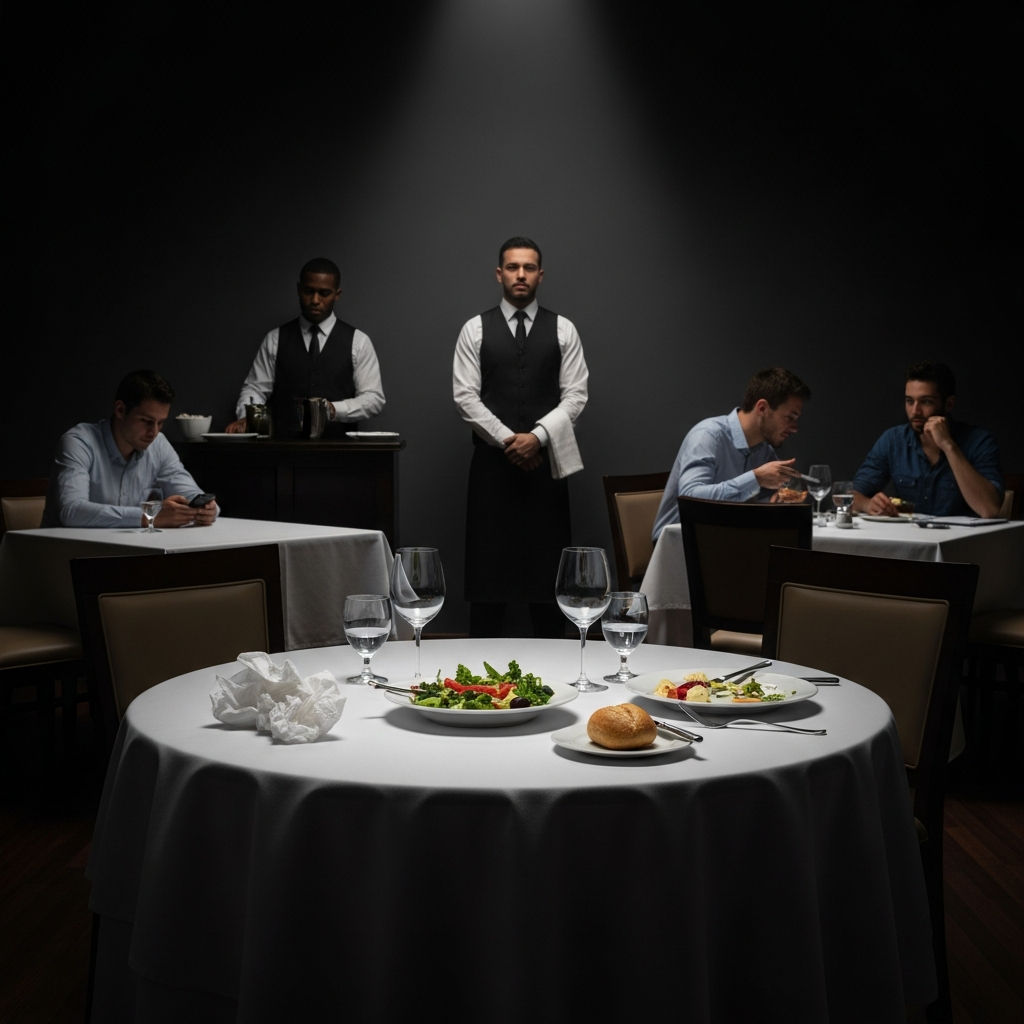
Beyond the physical toll, the economics of the power lunch no longer add up. In the past, massive expense accounts were the norm. Today, companies are leaner, and every dollar spent must show a clear Return on Investment (ROI). CFOs are increasingly skeptical of $300 lunch receipts for meetings that could have been handled via a 15-minute Zoom call or a quick Slack exchange.
Digital communication has democratized networking. You can build a relationship with a client halfway across the world without ever sharing a meal. The “transactional” nature of the power lunch has been replaced by more efficient, targeted interactions that don’t require a reservation at the hottest spot in town.
What Replaced the Power Lunch?
If the steakhouse ritual is dead, what has taken its place? The modern professional has traded the white tablecloth for more agile forms of connection. Here are the “new” power moves in the business world:
- The Walking Meeting: Inspired by tech leaders, many professionals now opt for “walk and talks.” It burns calories instead of consuming them, boosts creativity through physical movement, and eliminates the distractions of a noisy restaurant.
- The Virtual Coffee: A 20-minute video call is the new gold standard for introductory networking. It respects everyone’s time and allows for a focused agenda without the “filler” time of waiting for a check.
- The Bio-Hacked Lunch: For those who do meet in person, the focus has shifted to “light and bright” venues. Think salad bowls, protein-rich lean meals, and sparkling water. The goal is to leave the meeting feeling energized, not exhausted.
- After-Hours Activity: Instead of lunch, professionals are bonding over shared activities—padel tennis, cycling clubs, or high-end gym classes. These foster deeper connections through shared experiences rather than shared indigestion.
The Social Stigma of the Mid-Day Feast
There is also an emerging social stigma surrounding the indulgent lunch. In a fast-paced environment, taking two hours off in the middle of the day can be perceived as a lack of dedication or an inability to manage one’s schedule. The “hustle” culture, for all its flaws, has replaced the “leisurely executive” archetype. Today, being “busy” is the flex, and nothing says you aren’t busy like a three-course meal on a Tuesday afternoon.
Conclusion: Efficiency Over Excess
The “Power Lunch” was a product of its time—a time when information moved slowly, offices were the only place to work, and heart health was an afterthought. While there will always be a place for celebratory dinners and occasional client entertainment, the daily or weekly ritual of the high-calorie business lunch is a relic we are better off without.
By killing the power lunch, we haven’t lost the ability to connect; we’ve simply found better, healthier, and more efficient ways to do it. The modern professional knows that real power doesn’t come from the size of your steak—it comes from your ability to stay sharp, stay healthy, and stay productive. In the end, the power lunch was always a waste of calories, and our waistlines (and bottom lines) are better off for its demise.
“`